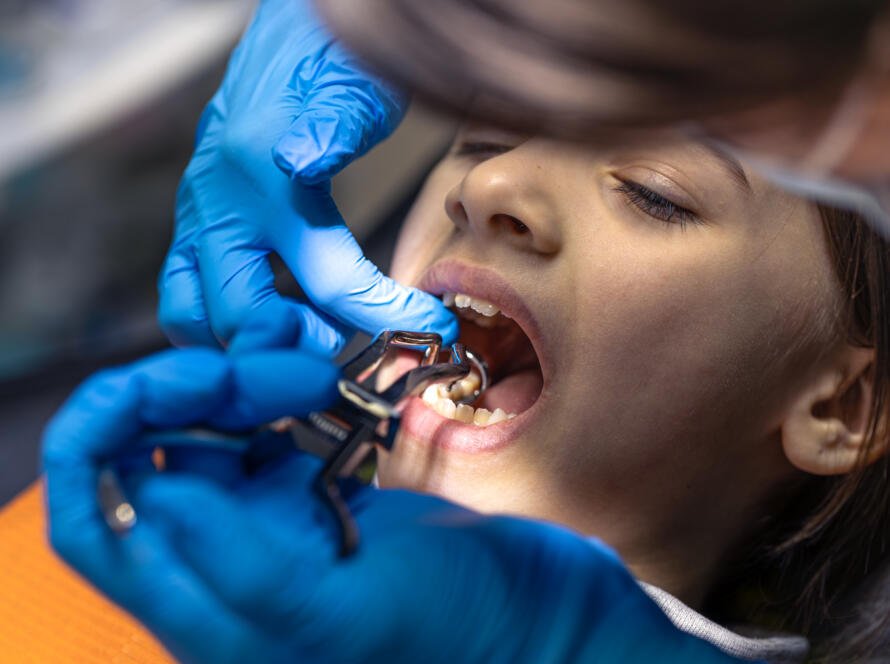
Dental problems can happen unexpectedly. It might be challenging to determine whether a sudden toothache, fractured tooth, swelling, or dental injury needs to be treated right away. Oral health can be safeguarded, and complications can be avoided by identifying the warning symptoms of a dental emergency.
Certain symptoms should be evaluated by a dentist as soon as possible, even though not all tooth issues require emergency care. Understanding these warning signs can help patients seek appropriate emergency dental care in Palakkad when it is needed.
What Is a Dental Emergency?
A dental emergency is a situation involving significant pain, injury, bleeding, infection, or damage to the teeth or surrounding tissues that requires prompt professional assessment.
Some dental emergencies are obvious, such as a knocked-out tooth after an accident. Others may develop gradually, such as a dental infection that suddenly causes severe pain and facial swelling.
Patients should think about the symptoms, how soon they started, and whether they are growing worse rather than just focusing on the level of their pain.
Dental Problems That May Require Immediate Attention
Severe or Persistent Toothache
A severe toothache that does not improve or keeps returning should not be ignored. It could be linked to infection, dental pulp inflammation, deep tooth decay, or tooth injury.
Pain that prevents you from eating, sleeping, or going about your everyday business should be evaluated by a specialist.
A dentist can evaluate whether a filling, root canal therapy, or another operation is necessary after determining the underlying problem.
A severely damaged or knocked-out tooth
Prompt dental care is necessary for a tooth that has been knocked out due to an accident or sports injury. Because the various treatment choices may depend on the state of the tooth and the surrounding tissues, a prompt assessment is especially crucial for permanent teeth.
Broken or severely displaced teeth should also be examined, even if the initial pain appears manageable.
Excessive or Persistent Oral Bleeding
After an injury or dental operation, bleeding may occur, but heavy or continuous bleeding has to be evaluated by a professional.
Continuous bleeding shouldn’t be disregarded, especially if the proper first-aid treatments don’t stop it.
Urgent medical attention may also be required if bleeding is accompanied by a significant injury or other serious symptoms.
Facial or Gum Swelling
A dental infection may occasionally be indicated by swelling around the gums, jaw, or cheeks. Tooth decay, an abscess, or an infection surrounding a tooth can all cause it.
Rapidly increasing swelling or swelling that coexists with fever, trouble breathing, or difficulty swallowing should be handled as an emergency. In these situations, prompt medical or dental care is crucial.
Dental Abscess
A dental abscess is a collection of pus associated with a bacterial infection. Severe tooth pain, gum swelling, sensitivity, an unpleasant taste in the mouth, fever, or face edema are common symptoms.
An abscess should not be treated as a problem that will simply disappear on its own. Professional dental treatment is needed to address the source of the infection and prevent it from becoming more serious.
A cracked or broken tooth
Accidents, dental decay, teeth grinding, and chewing hard foods can all cause a tooth to crack or break. In addition to exposing delicate interior structures, a broken tooth raises the possibility of additional harm or infection.
Even when a cracked tooth causes little pain, a dental examination can help determine the extent of the damage and the appropriate treatment.
Dental Crown or Filling Lost
A lost filling or crown may expose the underlying tooth to sensitivity and further damage. It is advisable to arrange a dental appointment rather than leaving the tooth unprotected for an extended period.
Patients should avoid chewing hard foods on the affected side until the tooth has been assessed.
When Is Tooth Pain Not an Emergency?
Emergency care may not always be necessary for mild and sporadic dental sensitivity. However, a dentist should be seen if symptoms persist, become more frequent, or progressively worsen.
Sometimes a dental issue doesn’t start out with terrible pain. Frequent dental exams can help detect problems before they become serious.
What Should You Do Before Seeing an Emergency Dentist?
While waiting for professional care, some simple steps may help protect the affected area:
- Rinse the mouth gently with clean water.
- Apply a cold compress externally if there is swelling or facial injury.
- Avoid chewing on the affected side.
- Keep the area clean.
- Do not place aspirin directly against the tooth or gums.
- If a permanent tooth is knocked out, handle it carefully by the crown and seek dental care immediately.
These steps are not a substitute for professional treatment. The appropriate response can depend on the type and severity of the dental problem.
Why Timely Dental Treatment Matters
If a dental emergency is not treated right away, an infection or damage may get worse. Pain management, tooth protection, infection treatment, and the restoration of normal oral function can all be aided by early expert evaluation.
For instance, without a thorough examination, a tooth that seems to be only slightly injured can actually have an underlying crack or infection. Before offering treatment, a prompt evaluation enables the dentist to comprehend the issue.
Emergency Dental Care in Palakkad
For individuals looking for an emergency dentist in Palakkad, Dr. Johny’s Dental Clinic offers expert dental services for various oral health issues. The clinic prioritizes diagnosis, treatment planning, and patient-focused dental care.
Dr. Johny’s Dental Clinic also offers treatments that encompass restorative, preventive, cosmetic, and general dental requirements. Patients dealing with intense tooth pain, swelling, dental trauma, potential infections, or other urgent dental issues can seek a professional dental evaluation for appropriate care.
Conclusion
Recognizing the signs of a dental emergency can assist patients in responding correctly when sudden issues arise. Severe toothaches, dental abscesses, facial swelling, ongoing bleeding, knocked-out teeth, and major tooth damage should be treated with immediate professional attention.
Rather than waiting for symptoms to become more severe, timely dental assessment can help identify the cause and determine the appropriate treatment. For patients in Palakkad, seeking professional emergency dental treatment in Palakkad can help address urgent concerns and support better long-term oral health.
FAQs
1. What is considered a dental emergency?
Severe tooth pain, significant swelling, persistent bleeding, dental trauma, and knocked-out teeth may require urgent dental attention.
2. Should I visit a dentist for severe tooth pain?
Yes. Severe or persistent tooth pain can indicate decay, infection, or another dental problem requiring professional evaluation.
3. What should I do if my tooth is knocked out?
Handle the tooth carefully by the crown, avoid touching the root, and seek dental care immediately.