Many people are concerned about yellow teeth. Even with consistent brushing, food, beverages, smoking, aging, plaque accumulation, or other dental diseases can cause teeth to progressively lose their natural brightness. The good news is that, with the correct care, yellow teeth can easily be improved.
However, should you go for dental cleaning, teeth whitening, or another cosmetic procedure? The cause of the discolouration will determine the response.
Why Do Teeth Become Yellow?
There are various reasons why teeth can turn yellow. While some stains appear deeper within the tooth, others appear on the tooth’s surface.
Common causes include:
- Drinking tea, coffee, or other staining beverages regularly
- Smoking or using tobacco products
- Poor oral hygiene
- Plaque and tartar buildup
- Natural aging
- Certain foods and drinks
- Tooth decay
- Some medications or dental conditions
- Changes inside a tooth following injury or infection
Prior to selecting a treatment, it is crucial to determine the cause. If the discolouration is caused by tartar, decay, or an internal tooth issue, a whitening treatment might not work.
Is Dental Cleaning Enough for Yellow Teeth?
Plaque, tartar, and other surface stains that give teeth a yellow or dull look can all be removed with a professional dental cleaning. Those with obvious deposits around their teeth or gum line may find this very beneficial.
Cleaning, however, does not alter the tooth’s inherent color. Professional teeth whitening may produce a more pronounced improvement if the teeth are naturally darker or have deeper discoloration.
Maintaining healthy gums and teeth also requires routine expert cleaning. Plaque and tartar can cause gum disease. Gum disease can develop when plaque and tartar are allowed to build up around the teeth.
When Is Teeth Whitening a Better Option?
Professional teeth whitening may be suitable when the main concern is the color of otherwise healthy teeth.
A cosmetic dental procedure called teeth whitening is intended to reduce tooth discolouration and enhance the smile’s overall brightness. Professional teeth whitening is one of the cosmetic dentistry services provided by Dr. Johny’s Dental Clinic in Palakkad.
Professional whitening can be considered for people who have:
- Yellow or stained teeth
- Discoloration caused by food and drinks
- Age-related staining
- Certain external stains
- A desire for a brighter smile
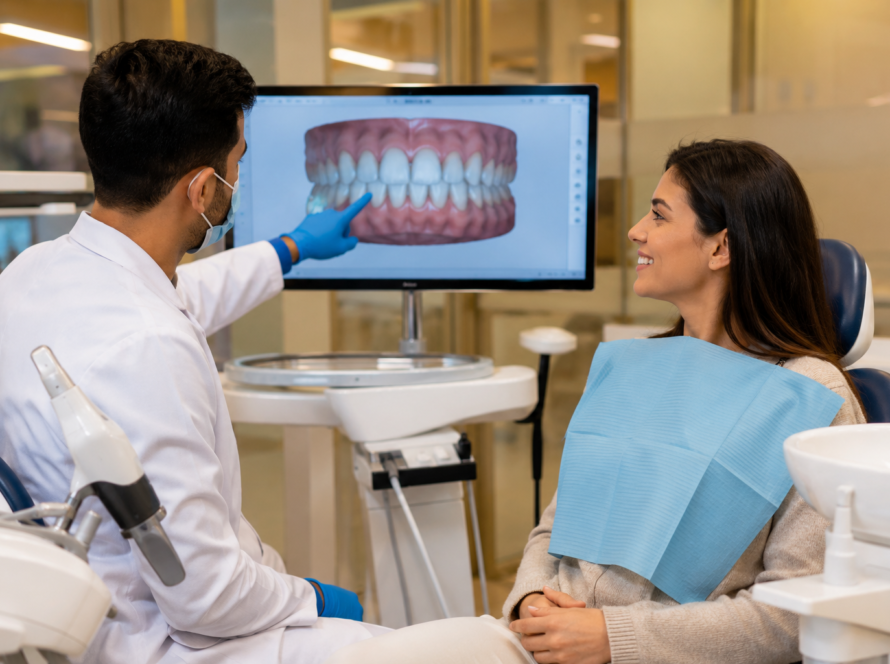
To decide whether teeth whitening is necessary, the dentist can first assess the teeth and gums.
What About Whitening Toothpaste?
Whitening toothpaste can help remove some surface stains, but it usually cannot produce the same level of whitening as professional treatment.
It is useful as part of a good daily oral hygiene routine. On the other hand, excessive use of abrasive materials or forceful brushing may harm the tooth’s surface or make it more sensitive.
It is preferable to speak with a dentist about professional solutions for severe discoloration rather than depending exclusively on at-home remedies.
What If Cleaning and Whitening Do Not Work?
Not every type of discoloration responds well to whitening.
Another cosmetic procedure could be taken into consideration if a tooth is severely broken, deeply discolored, chipped, abnormally shaped, or has an inappropriate restoration.
Options may include veneers, crowns, bonding, or smile design, depending on the state of the teeth. Different cosmetic procedures may be combined in smile design to enhance the smile’s overall appearance.
A dental examination is important because the best treatment depends on the cause of the discoloration, the condition of the teeth and gums, and the result the patient wants to achieve.
Can Yellow Teeth Be Prevented?
While natural tooth color can vary from person to person, good oral care can help prevent excessive staining.
Simple habits include:
- Brush twice a day with fluoride toothpaste
- Clean between the teeth regularly
- Limit frequent consumption of staining foods and drinks
- Avoid smoking and tobacco
- Drink water after consuming staining beverages
- Visit a dentist for regular examinations
- Get professional cleaning when recommended
These practices can promote dental health and help keep teeth cleaner.
When Should You See a Dentist About Yellow Teeth?
If the discolouration appears suddenly, just affects one tooth, causes discomfort or sensitivity, or does not go away with routine cleaning, a dental visit is advised.
Although darkening by itself does not always indicate that a tooth requires root canal therapy, a darker tooth may occasionally be linked to internal issues or prior damage. The real cause can be found with the aid of an expert examination.
Teeth Whitening Treatment in Palakkad
The first thing to do if your confidence is being negatively impacted by yellow or stained teeth is to identify the cause of the discoloration. Dental cleaning may be enough for surface stains, while professional teeth whitening may be more suitable for certain types of discoloration. Other cosmetic treatments may be considered when whitening is not the right solution.
Dr. Johny’s Dental Clinic provides teeth whitening and other cosmetic dental treatments in Palakkad. The clinic also offers smile designing, crowns and veneers, braces and aligners, and other dental services under one roof.
A professional dental assessment can help determine whether cleaning, whitening, or another treatment is the right choice for achieving a healthier and brighter-looking smile.
Frequently Asked Questions
Can yellow teeth become white again?
Yes. Depending on the cause, professional dental cleaning or teeth whitening can improve the appearance of yellow or stained teeth. A dentist can recommend the right option after examining the teeth.
Is dental cleaning or teeth whitening better for yellow teeth?
Dental cleaning is suitable for plaque, tartar, and surface stains, while professional teeth whitening is designed to lighten the natural color of teeth. Some people may benefit from both treatments.
Is professional teeth whitening safe?
Professional teeth whitening is generally considered safe when performed or recommended by a qualified dentist. A dental examination beforehand can help identify problems such as cavities, gum disease, or existing sensitivity.